How to Cook With Umami Foods


Learning how to incorporate umami foods into your cooking is a simple way to make more delicious dishes.
The easiest way to add more umami flavor is to use ingredients such as parmesan cheese, tomatoes, and dried mushrooms that are naturally rich in glutamic acid or have been prepared in ways that convert it to free glutamates.
In this post, we briefly explain what umami foods are, what types of things are naturally rich in umami, and a list of seasonings and sauces that can be kept in the pantry to add more umami to your cooking.
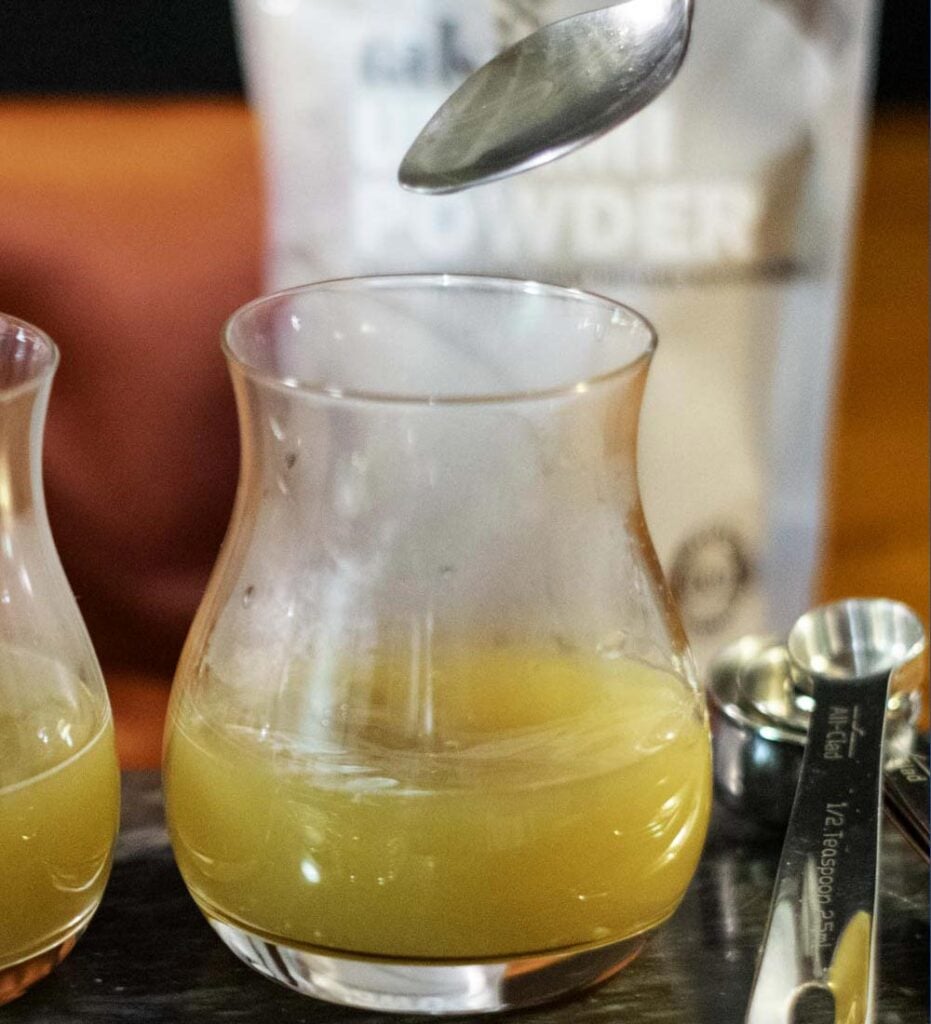
To learn what umami tastes like, try this simple umami taste test at home. We developed it as a fun way for people to learn about the flavor and understand how to use it to improve their cooking.
What are Umami Foods
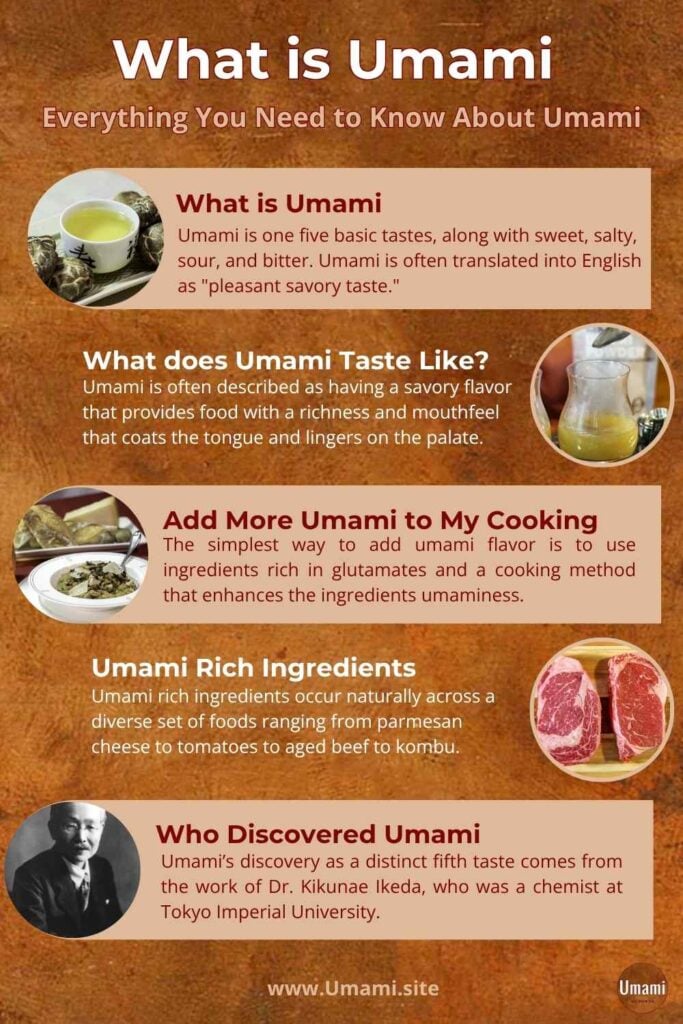
The simplest definition for umami foods is any ingredient that contains glutamic acid, whether it occurs naturally or is present after cooking, aging, or fermentation. Umami has a long history and is often translated from Japanese as a “pleasant savory taste.”
Since glutamic acids and their role in taste aren’t always the easiest thing to understand, it can be challenging to figure out the best way to use them when cooking. For a deeper dive into the science behind umami, read Everything You Need to Know About Umami.
Using sweetness as an analogy think about an ingredient like honey and how sweet it tastes compared to the sweetness in an apple. When you take a bite, the sweetness in each is easily identified as something that tastes sweet. How the sweetness manifests itself changes when they’re tasted alone, compared to when they’re combined, cooked, or added to a dish.
Umami expresses itself in similar ways, changing as different items are combined and different cooking methods are used.
What Foods Have Umami In Them
The simplest way to bring out the umami taste in ingredients naturally rich in glutamates is to use a cooking method such as dry aging, slow cooking, curing, smoking, stewing, or fermentation.
These techniques increase the amount of umami by converting the glutamic acid in the ingredients into free glutamates. For these techniques to work, the underlying items need to have high levels of naturally occurring glutamic acid.
To maximize the umami taste in a dish, take advantage of umami’s synergistic effect by using a combination of meat and vegetables. This effect multiplies the amount of umami beyond what would be expected by the ingredients on their own. Cooks frequently use it when they combine glutamates in vegetables and inosinate in meat in a one-to-one ratio.
Proteins
Some good sources of umami from land based proteins include poultry such as duck or chicken, along with beef that has been aged and cured pork products. Critters from the sea high in free glutamates include sardines, squid, scallops, mussels, and oysters.
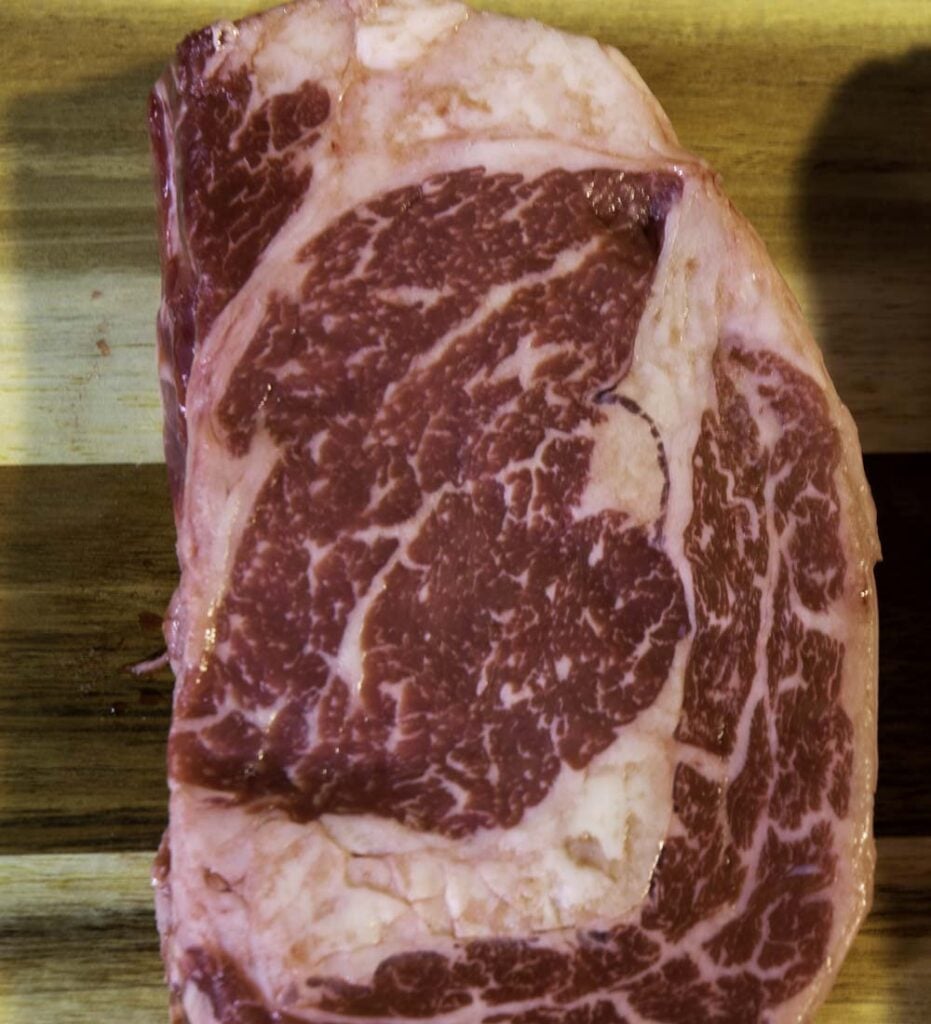
According to Mouritsen and Styrbaek, “The amount of umami in a piece of meat is proportional to how long it has been aged: The longer, the better. That is why beef tastes more meaty after it has been aged than when it is freshly slaughtered. It is also true that older animals are better sources of umami than younger ones.” (Umami: Unlocking the Secrets of the Fifth Taste)
Many traditional techniques used to preserve meat increase the amount of umami in the final product. This is true of dry-aged hams, cured sausages, and smoked beef roasts. It is also true of pickled herring, smoked salmon, and fish fermented and aged to create fish sauce.


Dairy and Cheeses
There isn’t a lot of umami in fresh dairy products such as milk, butter, or fresh cheeses. It is the process of turning fresh milk into an aged or blue cheese that releases free glutamates to create umami.
Cheeses with lots of umami included aged parmesan, blue cheeses such as Roquefort and Gorgonzola, and aged cheddar. A good rule of thumb is that the harder and drier the cheese, the more umami it will have.
An interesting way to see how this works is to taste a young parmesan cheese against a Parmigiano-Reggiano that has been aged for at least 18 months. In addition to the difference in texture between the two, the difference in taste will be profound, with the older cheese having a depth of flavor far beyond the younger cheese.
Plant Based
Vegetables with a lot of umami include asparagus, Chinese cabbage, and spinach. Dried and fresh mushrooms are also excellent sources, especially if combined with other umami rich foods.
Tomatoes
Tomatoes are one of the most versatile umami foods. Some simple ways to incorporate them into your cooking to develop more umami flavor include using tomato paste to thicken sauces, sun dried tomatoes to add texture, and using slow cooked chopped tomatoes and aromatics as the basis for pasta and rice dishes.
To get the most umami taste from tomatoes, make sure to use the pulp and seeds, which have more glutamates than the outer flesh.
Dried Mushrooms
Dried mushrooms are one of the best sources of umami. The reason dried mushrooms have more umami than fresh is the drying process allows free nucleotides to develop. A few varieties that standout include shiitake, morels, porcini, and oyster.
Using dried mushrooms provides two ways to flavor a dish. The first is using the mushrooms themselves after they’ve been reconstituted and chopped up before being added to risotto, soup, or stew.
The second is to use the liquid once they are reconstituted as a stock. The liquid is a simple way to bring the mushrooms’ flavor to a dish.
Seaweed and Konbu
Konbu is a seaweed primarily harvested off the northern coast of Japan around the island of Hokkaido. With the highest level of free glutamates of any raw ingredient, dried konbu is the primary ingredient in dashi.

Dashi is a stock made from kombu and katsuobushi that forms the basis for Miso soup and is used widely in Japanese cuisine.
Dashi played a pivotal role in understanding umami flavor when Dr. Kikunae Ikeda used dashi to identify umami as a basic taste. You can read more about his work in Discovering Umami – A Brief History of the Fifth Flavor.
Umami Ingredients for the Pantry
A simple way to add more umami flavor to your cooking is to keep ingredients rich in umami in your pantry. Adding a little bit to your favorite recipes or looking for recipes that use these items is a great way to add more savory flavor to dishes.
Here are a few simple sauces and seasonings that can be stored in the pantry or fridge.

Worcestershire Sauce
Worcestershire sauce is the Swiss army knife of umami. It can deepen the flavor in au jus, provide an unexpected twist to a Bloody Mary, or provide the foundation for Slow Roasted Tender Roast Beef.
Worcestershire sauce is made from malt vinegar, spirit vinegar, molasses, aged anchovies, red onions, garlic, salt, and other spices.
Soy Sauce
An integral component of Southeast Asian cuisines, soy sauce has been produced for thousands of years. The basic process for brewing soy sauce involves soybeans, wheat, salt, and water.
Soy sauce is a versatile ingredient that can be used as a base for sauces, such as a Korean BBQ Marinade, added as a condiment to rice dishes, or used as a dipping sauce for sushi.

Black Garlic
Black garlic is aged using a special fermentation process under high heat, where the garlic develops its distinctive dark color, along with a softer texture and sweeter flavor.
The flavor profile has a molasses-like richness with tangy undertones that combine sweet and savory. One of our favorite recipes to use it in is Black Garlic Risotto.
MSG Seasoning
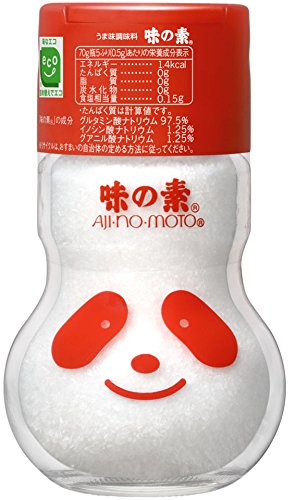
MSG seasoning or monosodium glutamate is an all-natural ingredient made the same way yogurt, vinegar, and soy sauce are made. It is one of the simplest ways to add more umami to your cooking and something every cook should keep in their spice rack.
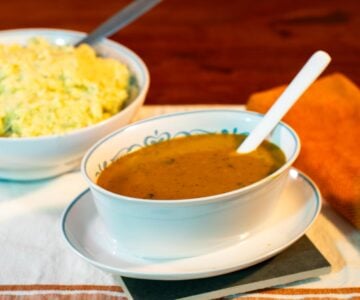
Adding it to sauces such as this Savory Beef Gravy deepen their flavors and increase their deliciousness.
Umami Powder
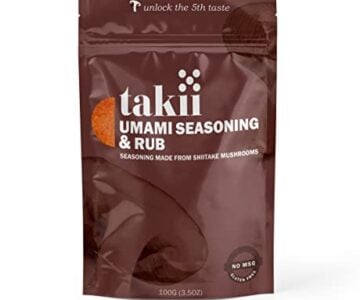
Umami Powder is made from organic porcini mushrooms and is packed with a rich umami taste. It’s a simple ingredient to add to soups, sauces, and stocks to add savoriness to a dish. It can also be added to dry rubs or sprinkled over the top of food.
The Umami Information Center maintains a database of ingredients that includes the level of different amino acids and nucleotides that each contains. It’s a helpful resource when you’re looking for different things to combine to create a deeper, more robust umami flavor in your cooking.
Mark is an experienced food writer, recipe developer, and photographer who is also Umami’s publisher and CEO. A passionate cook who loves to cook for friends, he can often be found in the kitchen or by the grill testing new recipes.
More Info About Mark Hinds
Learn More
Find more recipes, tips, and ideas about these techniques, ingredients, and cuisines.
Ingredients:
- Beef
- ·
- Cheddar Cheese
- ·
- Chicken
- ·
- Dashi
- ·
- Duck
- ·
- Mushrooms
- ·
- Mussels
- ·
- Parmesan Cheese
- ·
- Porcini Mushrooms
- ·
- Pork
- ·
- Salmon
- ·
- Sausage
- ·
- Smoked Salmon
- ·
- Soy Sauce
- ·
- Tomatoes
- ·
- Worcestershire Sauce





Leave a Reply