Helpful Tips for Smoking Chicken
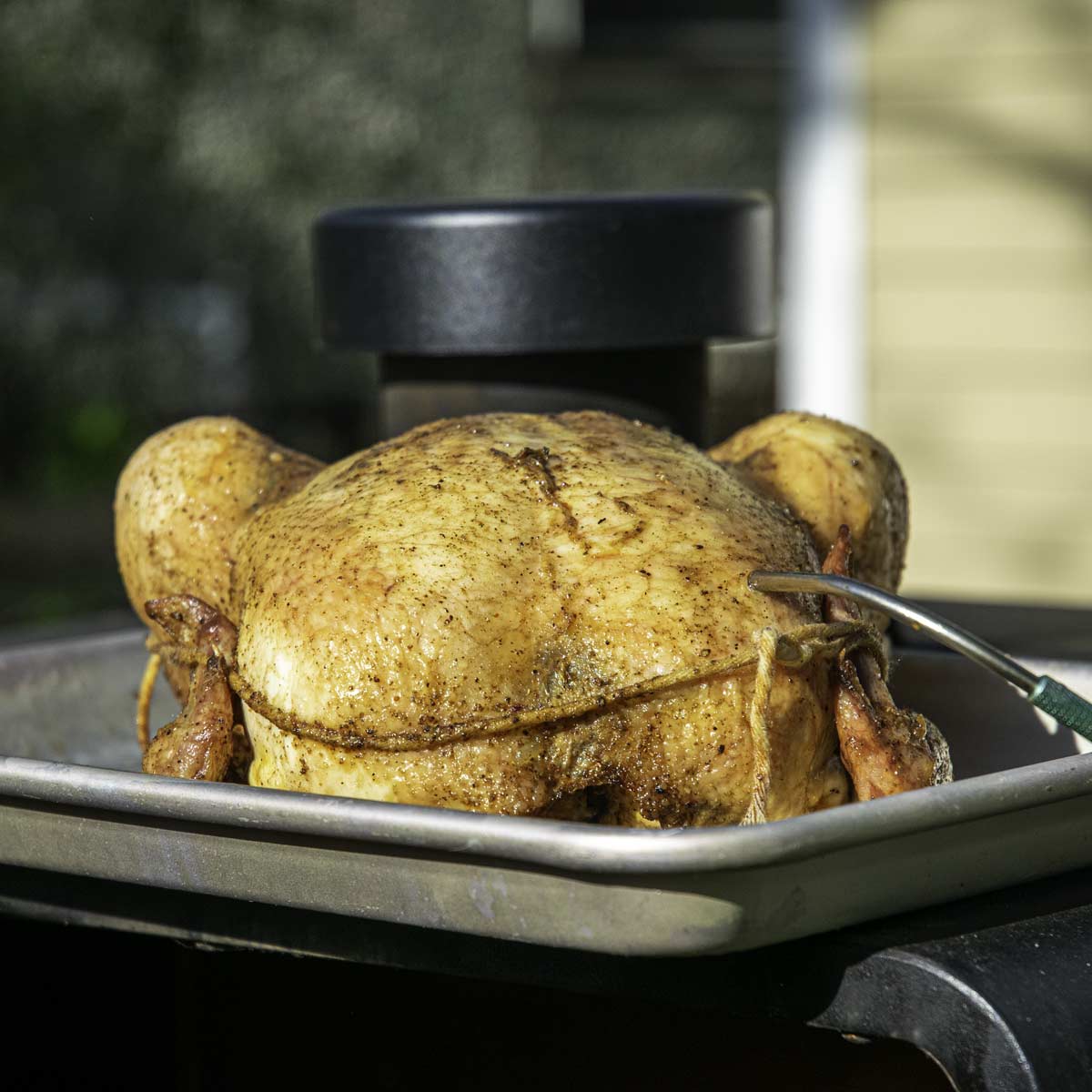
Smoking chicken is a simple way to infuse chicken with a nice smoky flavor. From backyard barbecues to simple dinners, there are lots of interesting ways to season, smoke, and serve smoked chicken.
For this piece I’ve gathered helpful hints for smoking different cuts of chicken, a variety of ways to season the chicken, time and temperature recommendations, and a few secrets I’ve picked up over the years.
When people think about smoking chicken, their mind often goes straight to barbecue. It’s both understandable and a shame. There are many different ways to make smoked chicken, with slow-smoked barbecue chicken being one of the best.
As someone who has been developing smoked chicken recipes for years, my goal has been to find different flavor combinations and techniques that expand what smoked chicken can be, giving people creative options beyond barbecue.
Choosing the Right Bird
The first thing to look for when you’re choosing chicken is that it’s fresh. Look for pieces that have a clean smell and don’t feel gummy to the touch. Always avoid pieces that are grayish, have an off-color tinge, a strong odor that sticks in the back of your nose, or skin that leaves a sticky residue on your fingers.
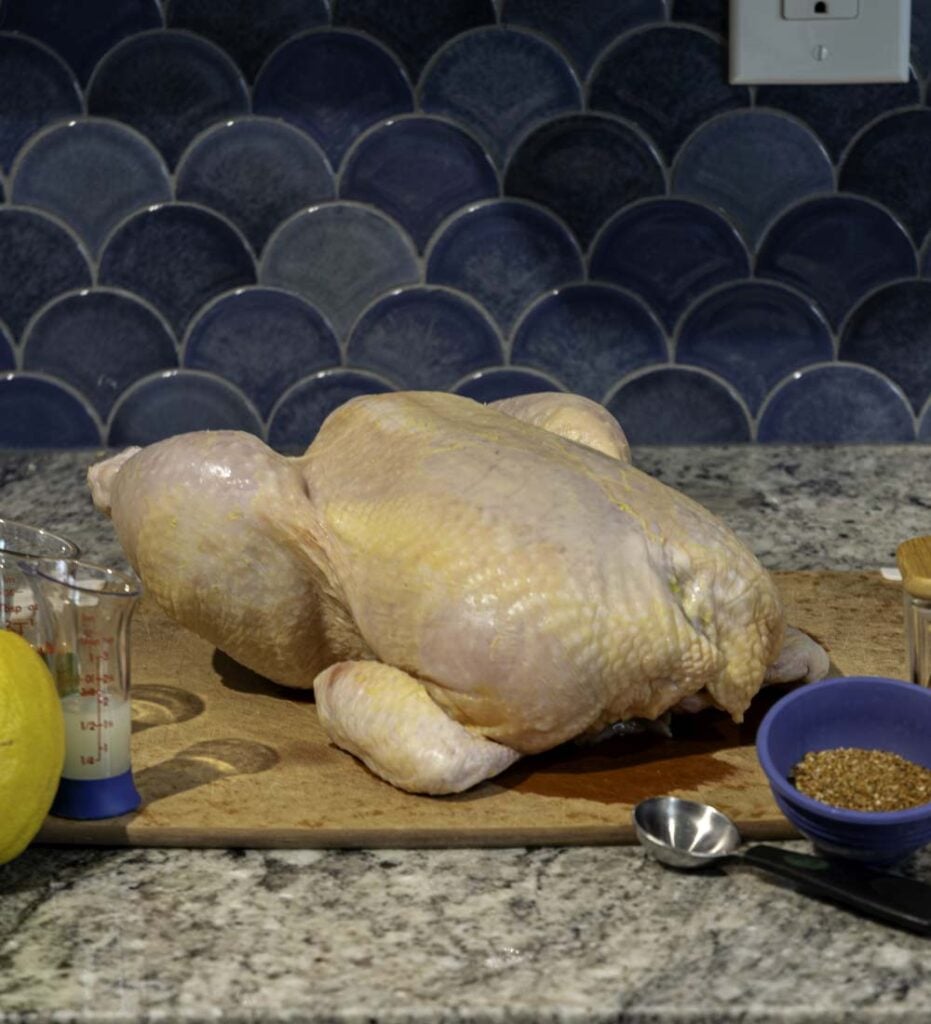
Smoking chicken with the bone in and skin on produces more flavorful, tender, and juicy chicken than boneless, skinless cuts. Leaving the skin on during the smoking process wraps the meat in a protective blanket, adding moisture and flavor while preventing it from drying out. Also, crispy chicken skin is delicious.
Leaving the bone in adds flavor and moisture. The connective tissue on the bone is full of collagen that melts when it’s cooked, lubricating the meat while adding savoriness. The bone and the skin can always be removed if you prefer to serve it that way.
Smoking Different Cuts of Chicken
There are no bad cuts of chicken for smoking. Different cuts are better suited for certain techniques and do better and worse with different flavor profiles.
Whole chicken
One of the best things about smoking a whole bird is that it includes all the different cuts, allowing people to mix and match their favorites. Our Southwestern Smoked Whole Chicken features a blend of chilies that complements the smokiness with a little heat. It’s an ideal dish to make in the summer for dinner and adds a nice twist to recipes that call for rotisserie chicken.
Chicken Breasts
Chicken breasts work best with a light smoke that helps them taste like they were cooked over an open fire. The lighter meat pairs well with fresh herbs and seasonings that have bright flavors.

A tasty way to serve a Smoked Chicken Breast is to take the meat off the bone and slice it crosswise, so every bite has a mixture of crispy skin and juicy meat.
Chicken Quarters
Smoked Chicken Quarters are a versatile cut that can be served as the main course for dinner or made for potlucks and barbecues. The combination of thigh, leg, and back meat gives this cut heft, making it more substantial on the plate than thighs or legs by themselves.

Chicken Legs (Drumsticks)
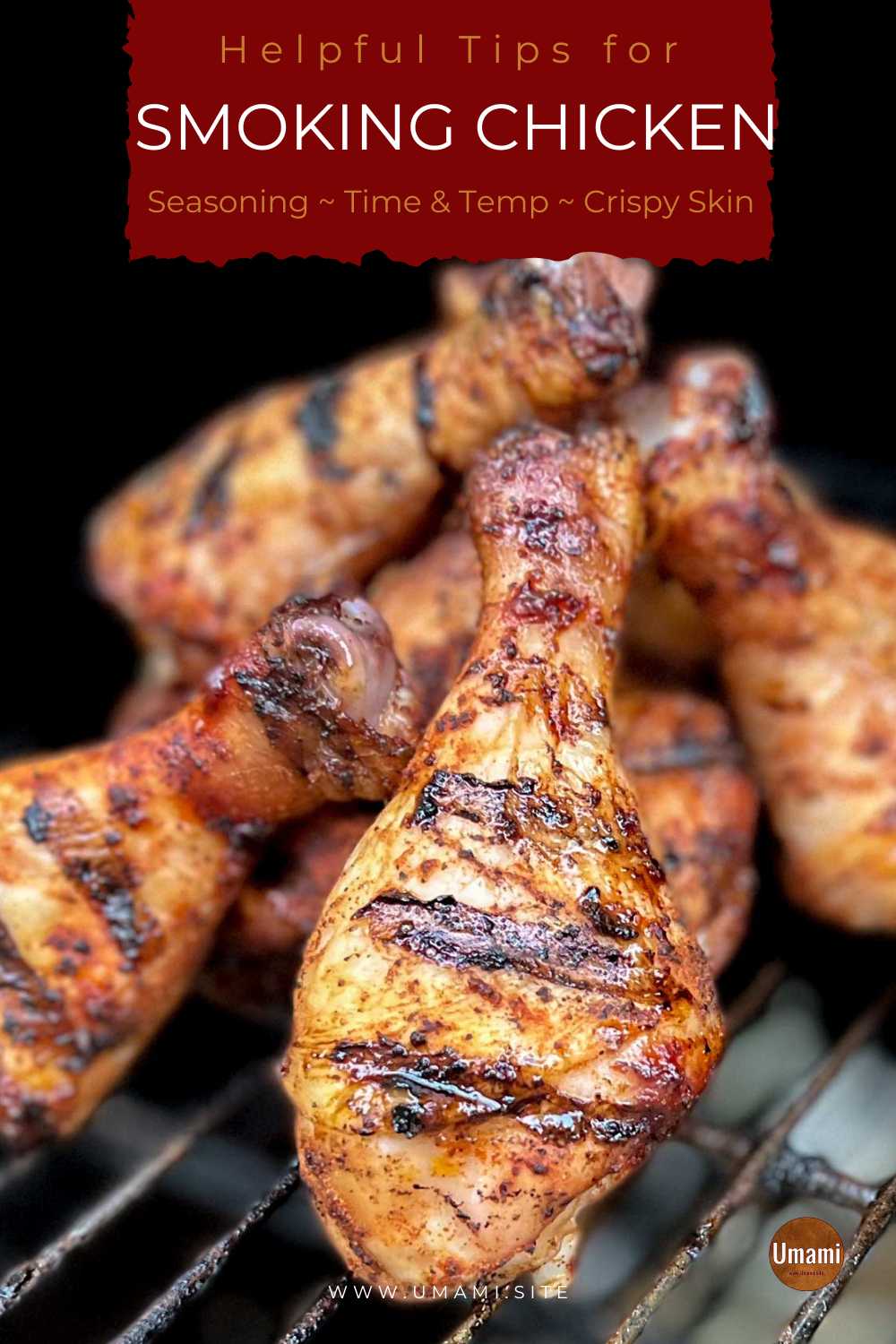
Drumsticks are fantastic for parties. Their compact shape and ability to hold up make them ideal for parties where people are moving around. Drumsticks benefit from a longer smoke and higher finishing temperature of 175℉ (79℃), where the meat starts to fall off the bone.
Chicken Thighs
Chicken thighs are one of our favorite cuts for smoking or grilling. These tight little packages are easy to season and are protected by a thick layer of skin that holds in moisture and can be finished with high heat, creating the perfect combination of juicy meat and crispy skin. This is my go-to cut for barbecue chicken.
Chicken Wings
Smoked chicken wings are adept at absorbing the flavor from the smoke while staying juicy. They’re perfect for potlucks and parties, especially when they’re served with a homemade Blue Cheese Dip.

Seasoning Smoked Chicken
There are many delicious ways to season smoked chicken. When you start researching recipes, the most common flavor profile is barbecue with lots of variation in how sweet, savory, or hot the dry rubs are.
I love finding different ways to season smoked chicken using low heat and smoke to create unique flavor profiles. A favorite is smoked chicken breasts that use rosemary, thyme, and sage that partner with the smoke to make the chicken taste like it was cooked over an open fire.
Spice Blends
There are a plethora of ways to create spice blends for smoking chicken. Our Hickory Smoked Chicken Wings use smoked paprika and Ancho chili powder to deepen the smokiness in the chicken and add bite.
Two spices that can be used to increase the level of heat in spice blends but are best used in a supporting role are cumin and ground chipotle. Both spices bring complexity and heat that play well with chicken, but can overpower it if there’s too much.
Dynamite Smoked Chicken Rub
A tasty choice for seasoning smoked chicken is our Dynamite Smoked Chicken Rub. It brings some sweetness and heat that highlight the flavors from the smoke.
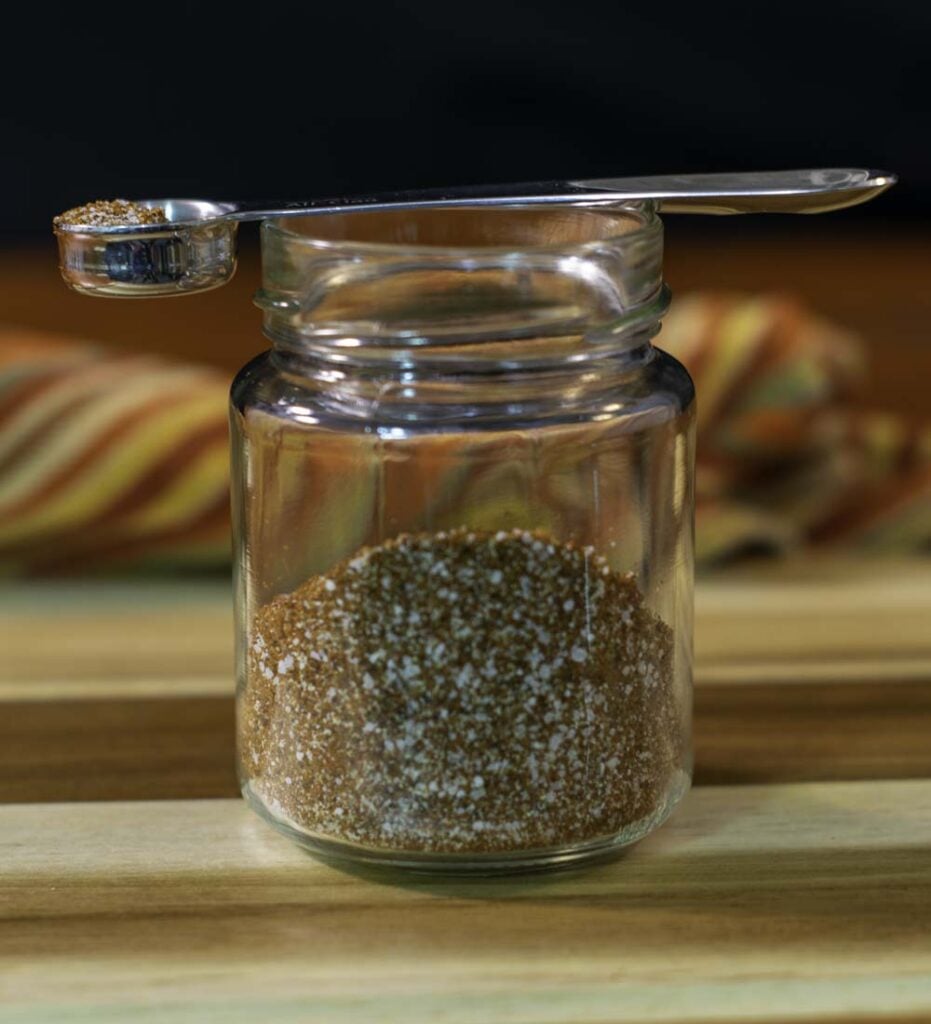
The sweet and heat come from a combination of brown sugar, for caramelization, along with smoked paprika for depth of flavor with chili and chipotle powders adding heat and pizzazz.
Southwest Spice Blend
The flavors in this Southwest Spice Blend highlight the region’s slightly smoky, deeply flavored food. This spice blend is ideal for smoking whole chickens, breasts, and wings. The chilies, spices, and herbs have deep smoky notes that invoke the region’s unique flavors.

More about Smoking & Chicken


Applying Dry Rubs
To help spice blends adhere to the chicken, lightly coat the outside with hot sauce, olive oil, or apple cider vinegar before mixing the pieces of chicken with the dry rub.
To increase the flavor from dry rubs make sure to get the seasoning under the skin. This is particularly important in larger cuts, such as breasts or whole chickens, where there will be numerous bites that don’t include any skin, which is where the flavor lives.
The simplest way to get the seasoning under the skin is to slide your finger under it, just enough to loosen it so that you can spread some seasoning between the meat and the skin. The dry rub should also be spread on the outside.
A common question related to dry rubs is how long the seasoning should be on before the chicken goes in the smoker. I’ve found it’s ok to apply the seasoning and immediately smoke the chicken. I’ll season the chicken an hour or two before smoking if there’s time to work ahead. For big parties when you’re making lots of dishes, prep them the night before.
A small but important thing is to keep your smoker clean, this helps ensure the chicken doesn’t pick up any off-putting flavors.
To Brine or Not to Brine
In general, I’m not a big fan of brining chicken before smoking. In my experience, brining adds an extra step that can be fairly messy without improving the texture or flavor.
The best argument for brining is that it makes the chicken juicer, and while I will never argue in favor of dried chicken, which always sucks, the best way to smoke chicken that is tender and juicy is using internal temperature as a guide.
An additional downside of brining is that the salt can dry out and toughen up the chicken skin, which is something you don’t want on chicken wings, legs, or breasts where the skin adds a ton of flavor and texture.
The Best Wood for Smoking Chicken
Choosing the right wood for smoking chicken is about understanding what flavors you want the meat to have when it’s finished.
For bold barbecue flavors, use mesquite, hickory, or maple, pairing the flavor from the smoke with the sweet and heat notes in the dry rub and barbecue sauce.
With a more herbaceous rub, that uses rosemary, thyme, or sage, use apple, black cherry, or other fruit wood that plays up but doesn’t overpower the herbs.
Avoid using oak or other heavy woods when smoking lighter items like poultry or fish. The heavier smoke flavor can overpower the lighter flavors in chicken.
How Long to Smoke Chicken
The best way to smoke chicken that is tender, juicy, and flavorful is to use internal temperature to determine when the chicken is done. Because undercooked chicken is a bad idea, I use the FDA’s recommended temperatures of 165℉ (74℃) as a baseline. With drumsticks, I’ve found that 175℉ (79℃) produces the tastiest chicken legs.

To measure the internal temperature insert an instant-read or wireless thermometer in the thickest part of the chicken. Using a wireless meat thermometer makes the process simpler and lets you get stuff done around the house without having to constantly check the smoker.
I also completely understand why everyone, myself included, always searches for how long something should smoke rather than internal temperature. The time estimates in the table below are based on years of smoking chicken and lots and lots of research.
|
Cut of Chicken |
Temperature |
Time |
Internal Temp |
|---|---|---|---|
|
Chicken Wings |
250℉ (121℃) |
1 ½ to 2 hours |
165℉ (74℃) |
|
Chicken Quarters |
250℉ (121℃) |
1 1/2 hours |
The quarters will be done at 165℉ (74℃), for fall off the bone cook closer to 175℉ (79℃) |
|
Chicken Legs (Drumsticks) |
250℉ (121℃) |
1 ½ to 2 hours |
175℉ (79℃) |
|
Chicken Thighs |
225℉ (107℃) |
1 to 1 ½ hours |
170℉ (77℃) |
|
Chicken Breasts |
250℉ (121℃) |
2 to 2 1/2 hours |
165℉ (74℃) |
|
Whole Chicken |
250℉ (121℃) |
2 to 2 1/2 hours |
165℉ (74℃) check the thickest part of the breast and thigh |
For cuts with lots of dark meat and collagen such as quarters and drumsticks use a finishing temperature of 175℉ (79℃). The higher temperature helps the chicken develop that lovely mouthfeel that happens when meat starts to fall off the bone.
Smoking and Crispy Chicken Skin
A challenge with smoking chicken is figuring out how to crisp up the chicken skin. The lower temperature and indirect heat that help deliver juicy meat and rich flavors aren’t a big help in crisping up the skin.
Here are a few techniques that improve the texture of smoked chicken skin.
High Heat
The simplest method is the addition of high heat, preferably from a grill, at the end of the cooking process. A couple of minutes over high heat from a grill or under a broiler will render out some of the fat and moisture in the skin, crisping it up.
High heat is most effective when the skin is facing the heat source, so up under the broiler and down on the grill. Chicken on the grill should be watched closely for flare ups. A little fire adds flavor and helps carmelization. A lot of fire turns the chicken into briquettes and means you’re ordering pizza for dinner.
Where high heat shines is if the chicken is going to be finished with barbecue sauce.

The Flip, Fire, and Paint Technique is a way to make barbecue chicken even more delicious. It’s a simple technique that works particularly well with smoked chicken legs, drumsticks, and thighs.
It involves using a silicone basting brush to paint barbecue sauce onto the chicken over high heat, letting the fire sear the sauce and crisp up the skin. The process should be repeated two to three times to build up crispy layers. This Ancho Chili and Honey Barbecue Sauce is dynamite with smoked chicken.
Other Methods
There are a few techniques other than high heat that help crisp chicken skin. With chicken breasts and whole chickens coat the skin with a little olive oil before smoking. This helps the seasoning adhere to the skin and helps it crisp up at the end.

I’ll also baste the chicken with melted butter towards the end of the cooking process. As the fat in the butter cooks off, it pulls out moisture, crisping while promoting browning.
One popular method that hasn’t worked is to crank up the temperature inside the smoker at the end of the cooking process. What I’ve found is that by the time the temperature in the smoker is hot enough to make everything crispy, it’s dried the meat out.
Resting Time
An important but often overlooked step in making sure the chicken turns out juicy is to let it rest when it’s finished cooking. Letting the chicken rest allows the juices inside to redistribute themselves. If it is sliced too quickly, the juices will run out on the cutting board.
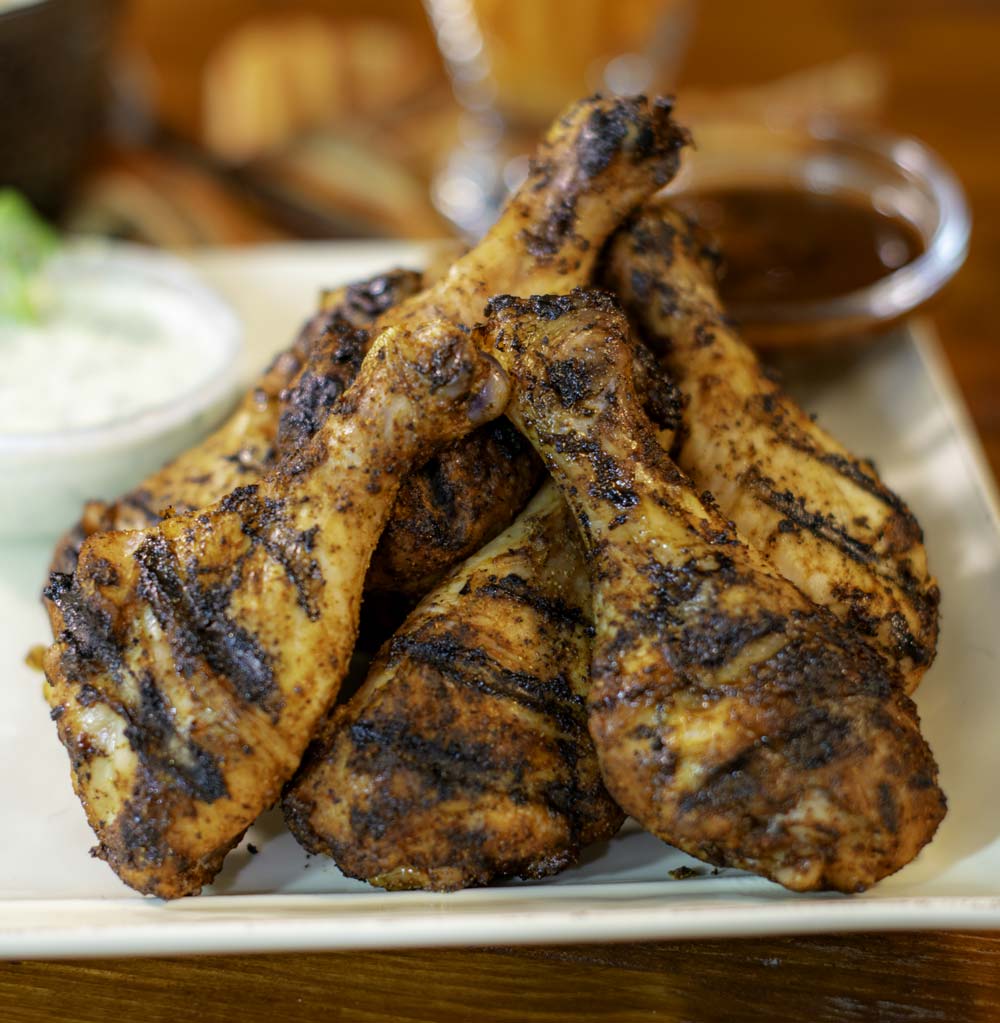
For juicier chicken let it take a short nap before serving.
For smaller cuts, such as chicken wings and drumsticks, five minutes of resting time is adequate. Ten to fifteen minutes work well for medium-sized cuts such as thighs, legs, and breasts. Whole chickens should be rested for 20 minutes.
Medium and large cuts should be tented under aluminum foil while they rest to help conserve heat.
Mark is an experienced food writer, recipe developer, and photographer who is also Umami’s publisher and CEO. A passionate cook who loves to cook for friends, he can often be found in the kitchen or by the grill testing new recipes.
More Info About Mark Hinds
Learn More
Find more recipes, tips, and ideas about these techniques, ingredients, and cuisines.
Techniques:
Ingredients:
Cuisines:




Leave a Reply