Sous Vide Roast Beef
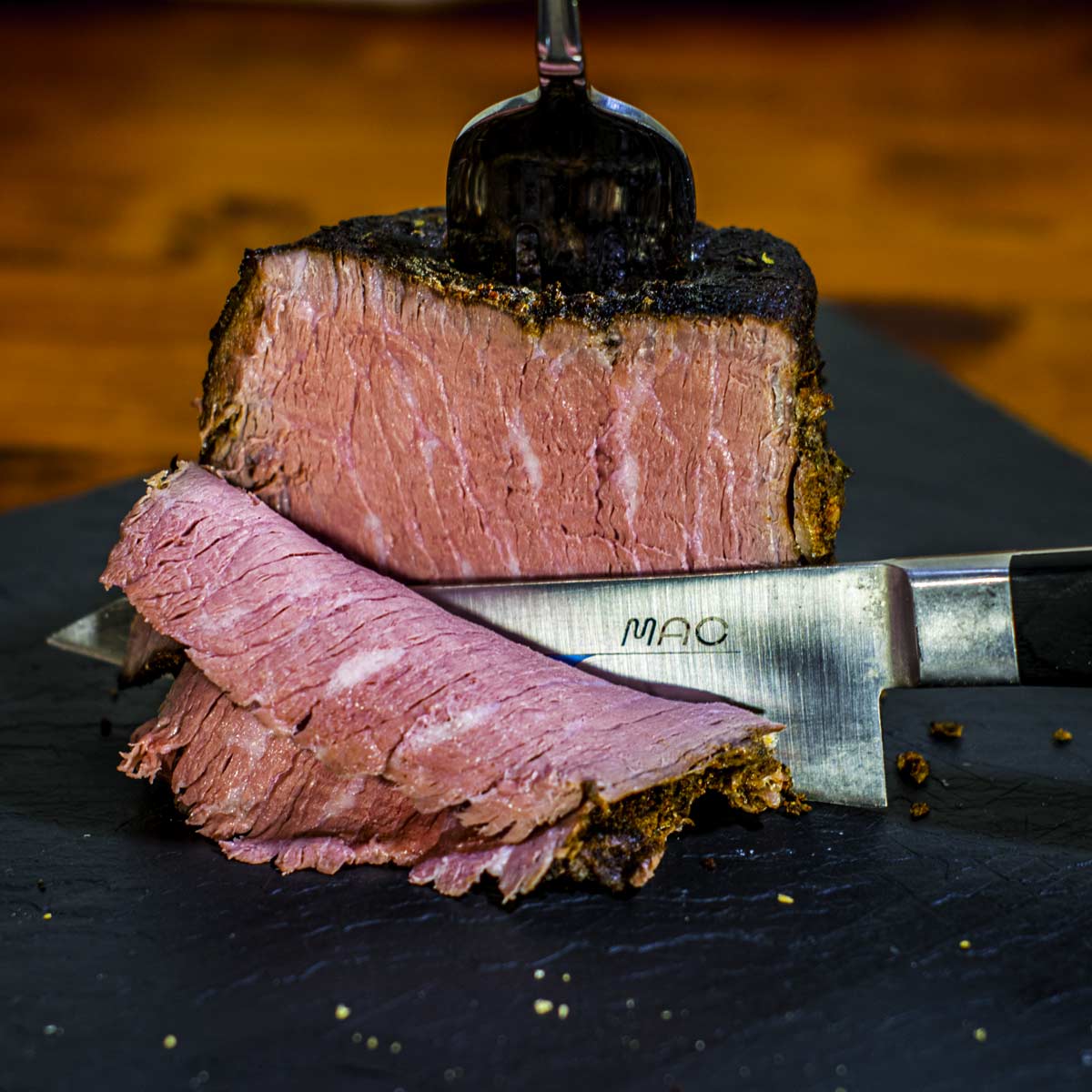
Sous vide roast beef is an ideal way to cook roasts if you like tender and juicy beef.
This sous vide roast beef recipe makes a fantastic roast, whether you’re serving it as the main course for a nice dinner or want delicious sandwiches.
The advantage of cooking beef roasts sous vide is that the long cooking time tenderizes the meat while it absorbs the flavors from the seasoning without overcooking the beef.
To develop classic roast beef flavors, we use a seasoning mix with loads of garlic, rosemary, and smoked paprika paired with a simple finishing method for developing a crisp, flavorful crust.
We’ve also included time and temperature recommendations and a short FAQ section.
How to Cook Beef Roasts Sous Vide
One of the best things about cooking beef sous vide is how well the technique works for a variety of cuts. This approach works equally well with tougher cuts such as chuck, top round, or rump roasts as it does with more tender ones like sirloin, ribeye, and tenderloin.
Picking a Roast
The reason this recipe works with so many different cuts is that the flavors are modeled after those in traditional English roast beef recipes. It also helps that sous vide is such a forgiving cooking method. The long, slow cooking time helps tenderize the meat without breaking down the connective tissue and collagen that make the meat fall apart the way braising does.
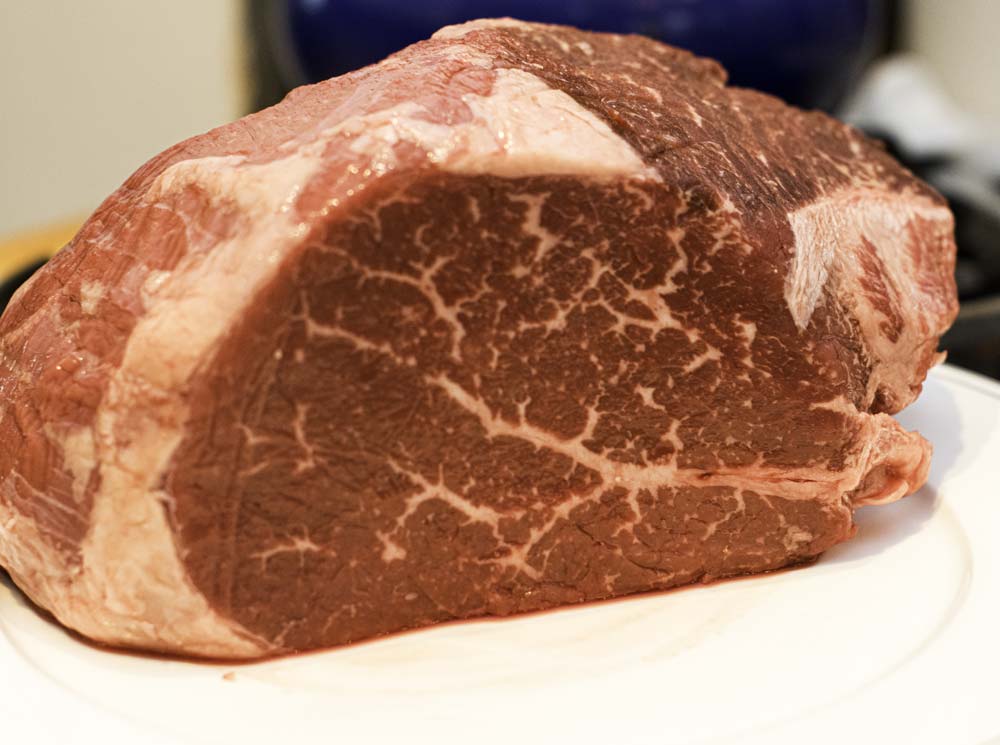
Our favorite cuts of beef for sous vide are eye of round and tri-tip. The round shape of eye of round always looks visually stunning when it’s finished and is easy to slice thin. Tri-tip has a nice marbling and a deep beefy flavor.
No matter which cut you choose, pick one that has good marbling and a nice shape. It’s also a good idea to remove any extra bits of fat or gristle before cooking. Read The Complete Guide to Beef Roasts for tips and tricks for choosing a roast.
Seasoning Beef Roasts
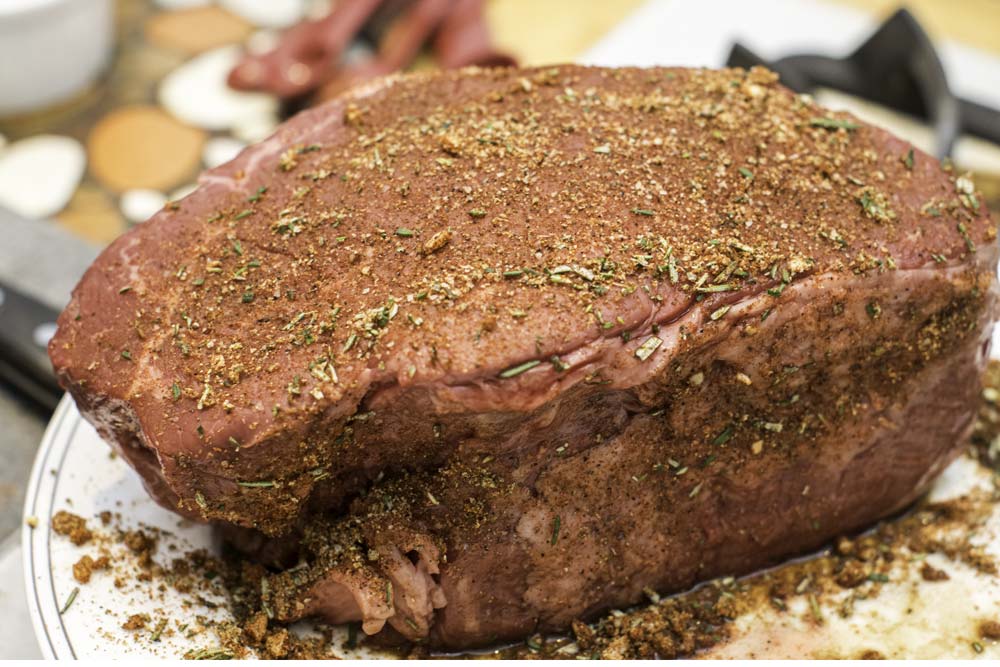
To develop deep umami flavors, combine smoked paprika, garlic, and Worcestershire sauce. Rosemary adds a brightness to the roast and enhances its aroma. Mustard powder is an underrated spice that adds an extra dimension to dry rubs.
The long cooking time allows the seasoning to penetrate the meat, deepening its flavors.
The flavor profile in this recipe is similar to our classic Slow Roasted Mouthwatering Roast Beef recipe, one of our favorite holiday dishes.
Time and Temperature
Sous vide can be a deceptively simple cooking technique that sometimes feels like it’s nothing more than seal and forget it. The secret to using it is understanding how small changes make a big difference in the finished product.
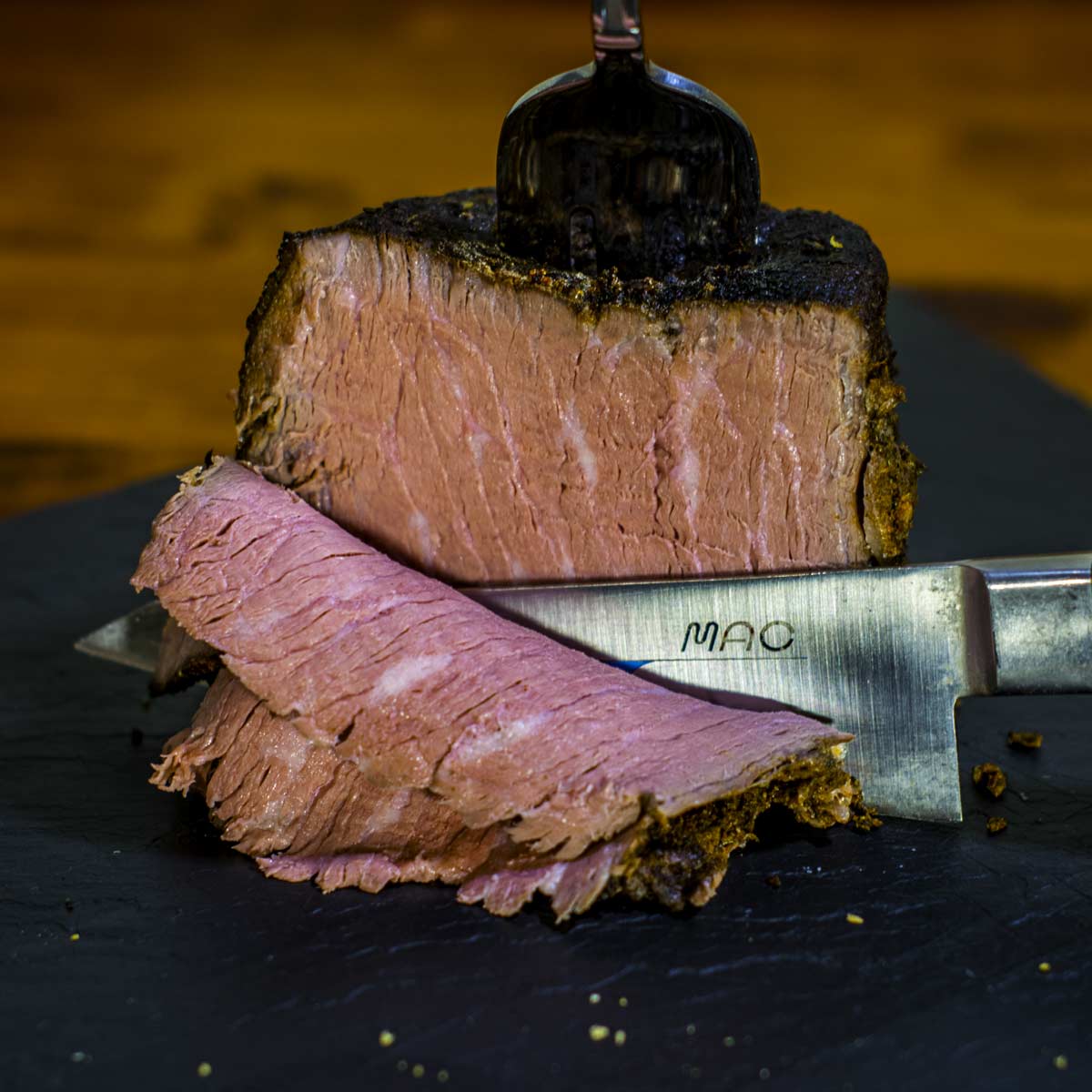
For this recipe our goal was to end up with a perfectly medium-rare roast that is tender and juicy on the inside with a crisp, flavorful crust on the outside.
Most sous vide recipes call for cooking roasts between 12 to 48 hours in a sous vide bath set between 130℉ (54℃) to 145℉ (63℃). They are generally split on whether to sear the meat ahead of time or at the end of the cooking process.

We found during testing that cooking roasts at 136°F (58℃) gave us a beautiful medium rare beef that was firm enough to easily slice for sandwiches but was still tender enough to serve as a main course.
When we cooked roasts at lower temperatures, the meat pulled apart so easily that it was hard to slice and anything more than 140°F (60℃) tasted over done for our preferences.
When cooking a beef roast sous vide, we recommend a time and temperature combination of 136°F (58℃) for 24 hours.
As far as time goes, at 18 hours, the texture wasn’t what we were looking for, and for the most part, we haven’t found any benefits to cooking roasts this size longer than 24 hours. There are benefits to cooking tougher cuts longer, which is why we cook our Sous Vide Brisket for 48 hours. That being said, an hour more or an hour less won’t make a big difference if it makes it easier to get dinner on the table at the right time.
To get the full benefits of sous vide, use a vacuum sealer to seal the meat before cooking, which imparts more flavor than the displacement method.
Finishing Roasts
A big part of what makes slow roasted beef so delicious is the crisp crust that develops while it cooks in the oven. Developing this type of crust when cooking sous vide can be challenging.
We found two ways that work well for developing a crust that provides the desired contrast in flavor and texture between the dark, crispy outside and tender inside.
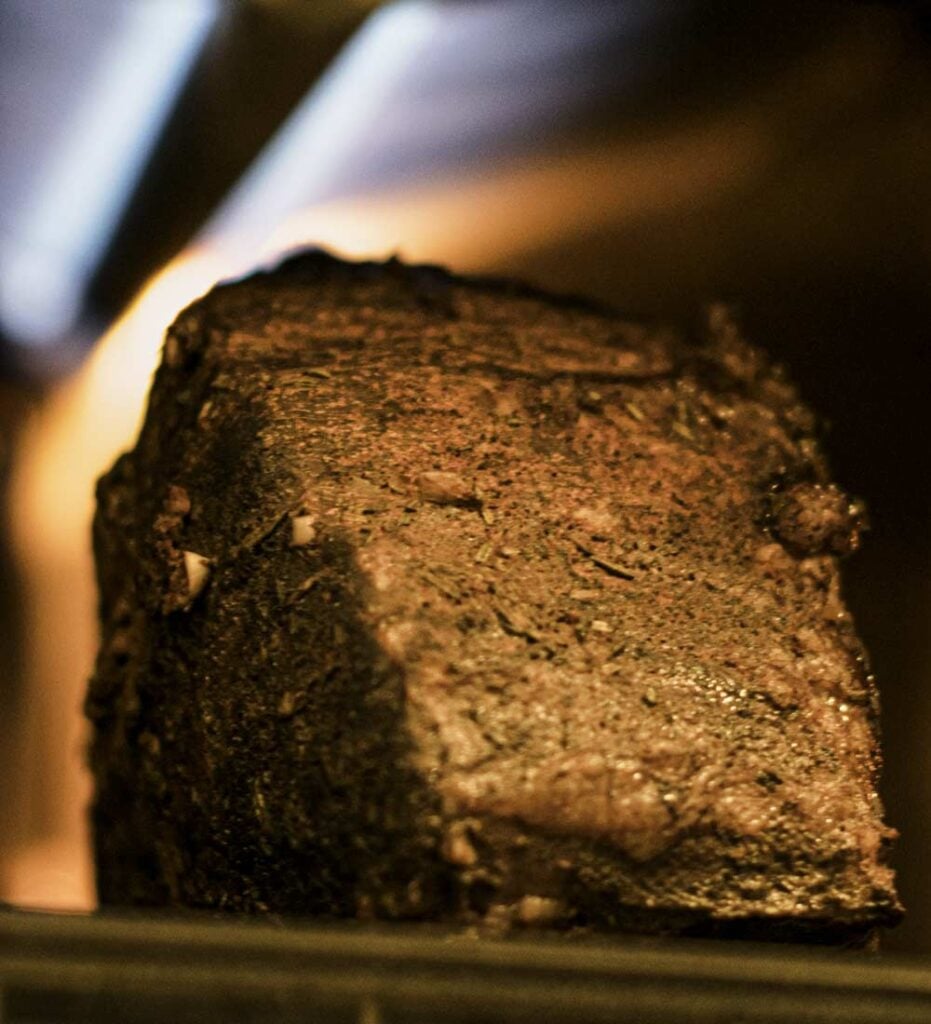
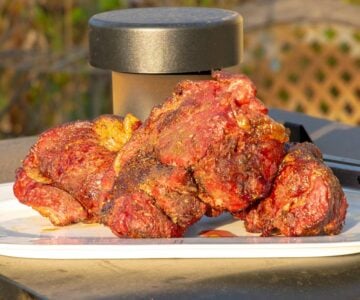
The best method for developing a deeply flavored crust is to place the roast on a broiler pan in a hot oven for 10 to 15 minutes. The meat should be turned halfway through to brown it evenly. If you’re using the broiler, check the roast every few minutes and turn it as it browns.
Another method is to pan sear the roast after it’s finished cooking. To pan sear a roast, add some canola or other cooking oil with a high smoke point to a large sauté pan over high heat. Each side of the roast should be seared for 3 to 4 minutes. Pan searing is a great method to use if you’re going to make a pan sauce with the little brown bits leftover.

What we like about these methods versus searing at the beginning of the cooking process, before the roast is vacuum sealed, is that it’s one less step.
In our experience, presearing didn’t add much flavor or texture. Also, presearing doesn’t eliminate the need to finish the roast when it’s done cooking and the outside is wet and colorless from the cooking process.
Read What is Sous Vide Cooking & Why it Works if you’re interested in learning more about this type of cooking.
Temperature guide
Here is a simple temperature guide for beef roasts.
| Doneness | Description | Temperature Range |
| Very Rare | Very red, bloody, and cold | Below 125℉ (52℃) |
| Rare | Cold red center & soft to the touch | 125℉ (52℃) to 134℉ (56℃) |
| Medium Rare | Warm red center, firmer with a bit of spring | 135℉ (57℃) to 144℉ (62℃) |
| Medium | Pink all the way through & firm to the touch | 145℉ (63℃) to 155℉ (68℃) |
| Well Done | Gray and brown all the way through, very firm | 156℉ (69℃) to 165℉ (74℃) |
| Way Over Done | Dark and crusty inside and out | 166℉ (74℃) plus |

Sous Vide Roast Beef Recipe
Ingredients
- 3 1/2 lb beef roast, Eye of round or similar roast preferred
- 2 cloves garlic, minced
- 1 tbsp rosemary, minced
- 1/2 tbsp Worcestershire sauce
- 1 tsp smoked paprika
- 1/2 tsp mustard powder
- 1/2 tsp onion powder
- 2 1/2 tsp salt
- 1/2 tsp pepper
Instructions
- Set up your sous vide immersion circulator and bring the water to 136°F (58℃).
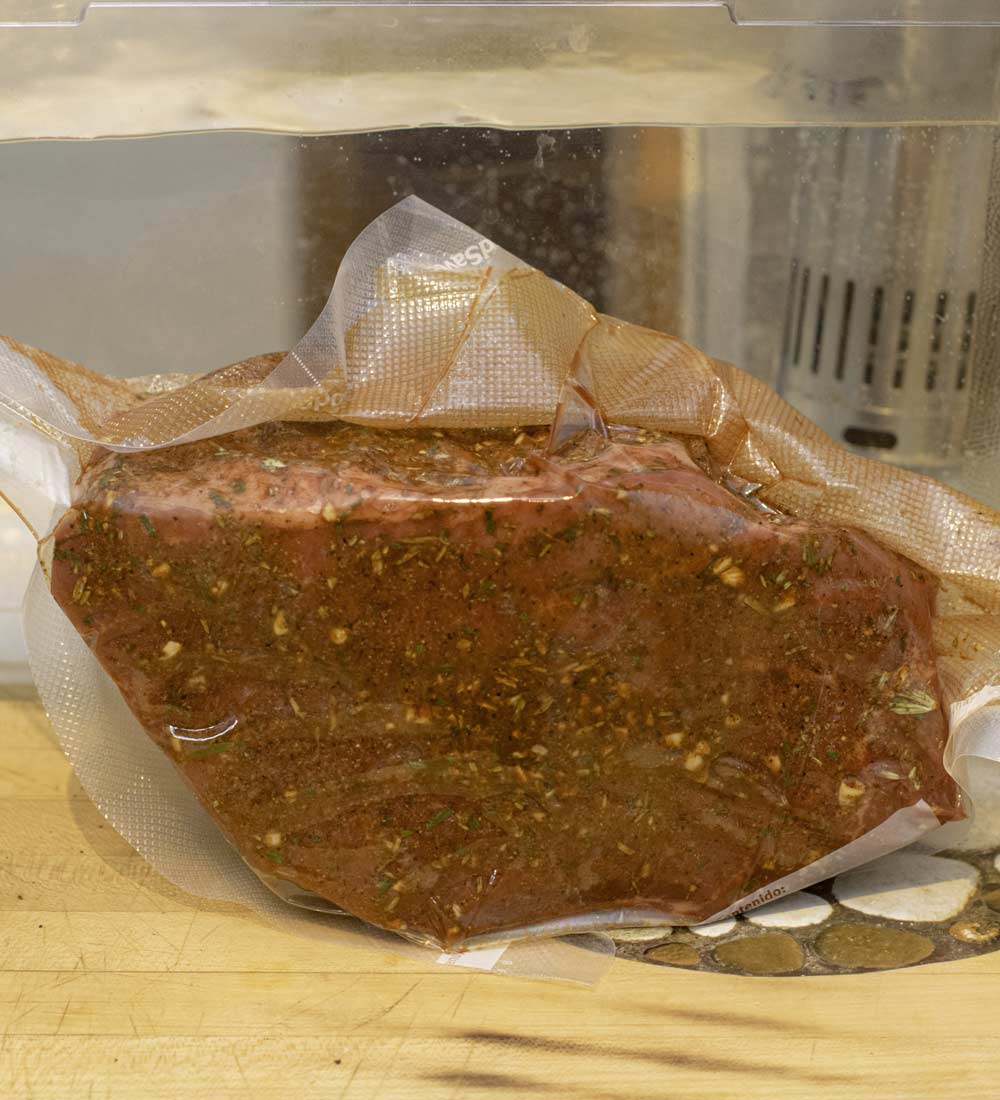
- Mix the minced rosemary and garlic with the smoked paprika, mustard and onion powders, salt, and pepper in a small bowl.2 cloves garlic, 1 tbsp rosemary, 1 tsp smoked paprika, 1/2 tsp mustard powder, 1/2 tsp onion powder, 2 1/2 tsp salt, 1/2 tsp pepper
- Rub the meat with Worcestershire sauce, then spread the seasoning over the roast.3 1/2 lb beef roast, 1/2 tbsp Worcestershire sauce

- Vacuum seal the roast in a plastic bag and cook it at 136°F (58℃) for 24 hours. When the roast is done cooking, drain the liquid into a small bowl if you’re using it for a pan sauce, au jus, or gravy, and set the roast aside for finishing.

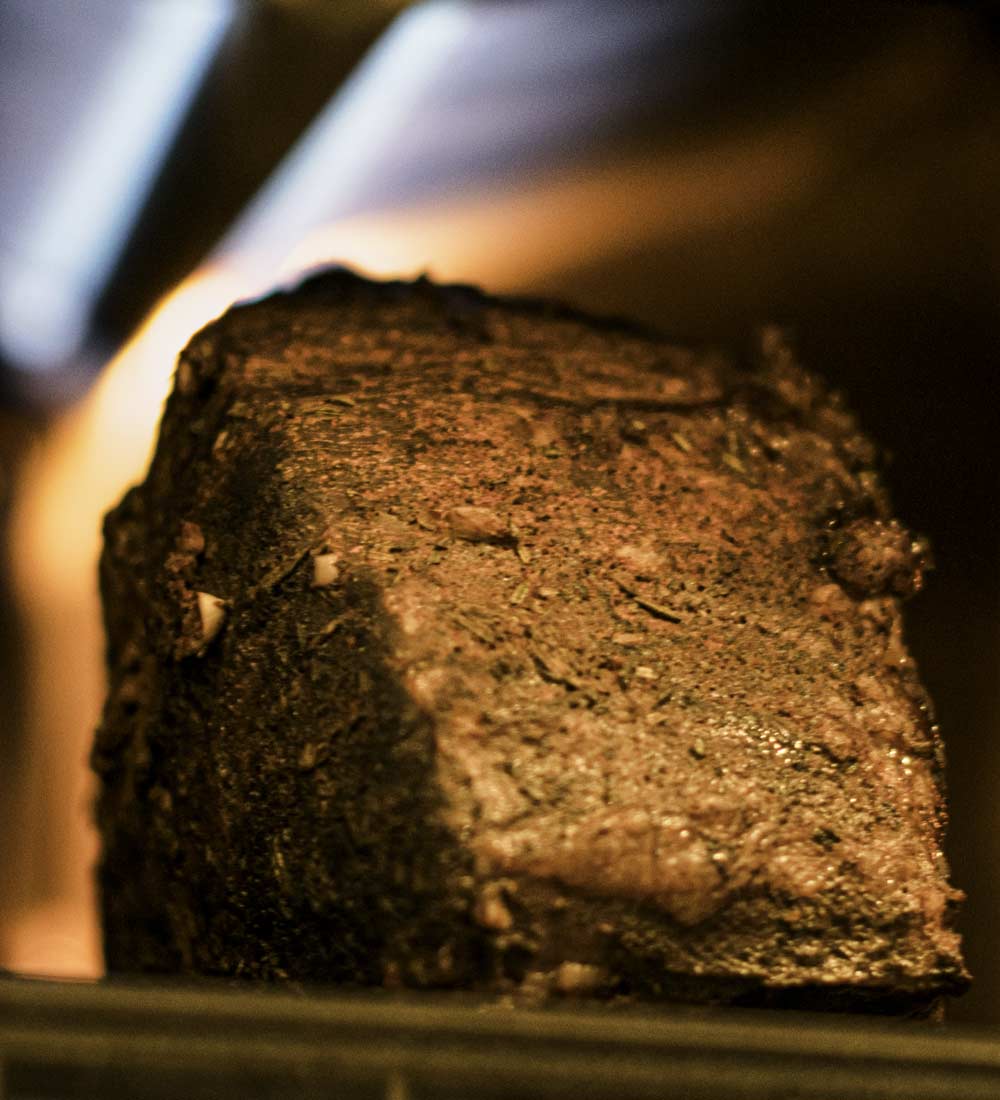
- To finish the roast, place it on a broiler pan in a preheated 400℉ (204℃) oven for 15 minutes. Turning it halfway through. The heat from the oven creates a crisp crust on the outside.
- Once it comes out of the oven, let it rest for 10 to 15 minutes, tented under foil, before serving.

Recommended Equipment


Sauces and Gravy
A simple way to elevate roast beef is to serve it with a pan sauce, au jus, or gravy.
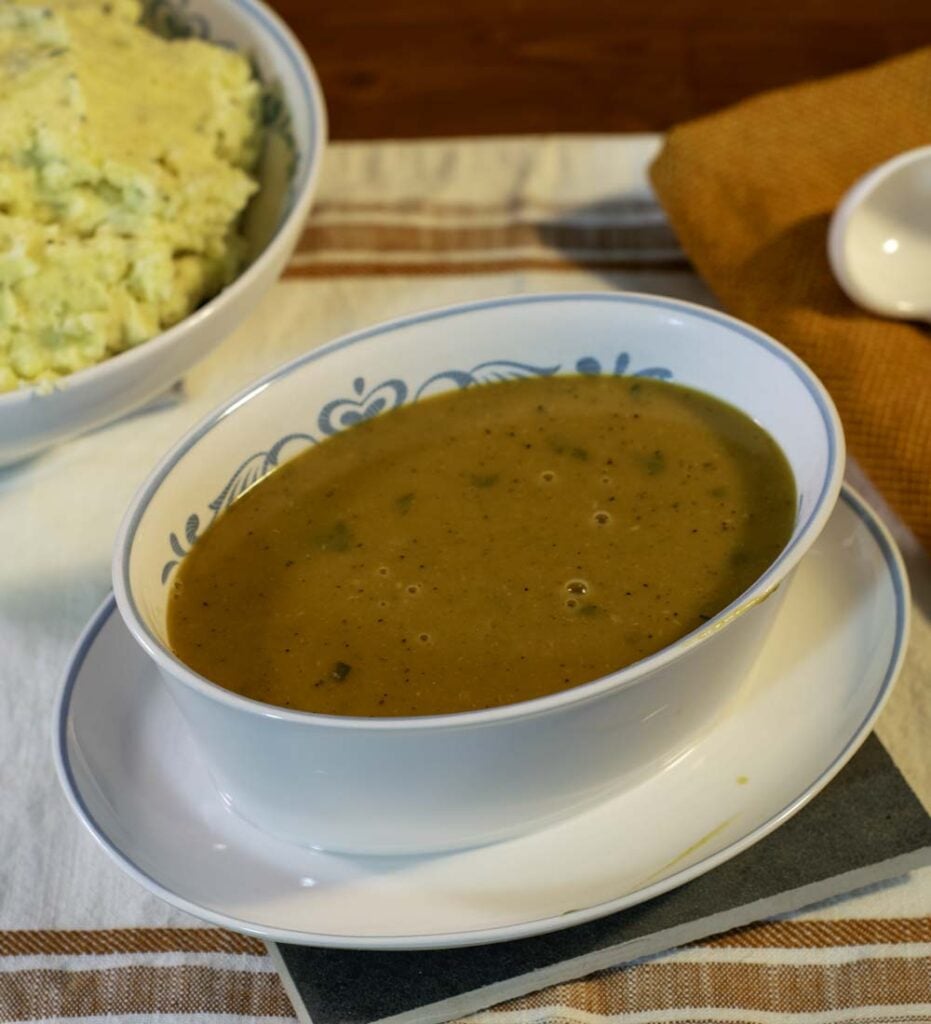
If the roast is being served as the main course or for open faced beef sandwiches, serve it with this Savory Beef Gravy. This gravy recipe uses a fortified beef stock and creamy horseradish to develop a deep savoriness with a little bite, highlighting the meat’s flavors.
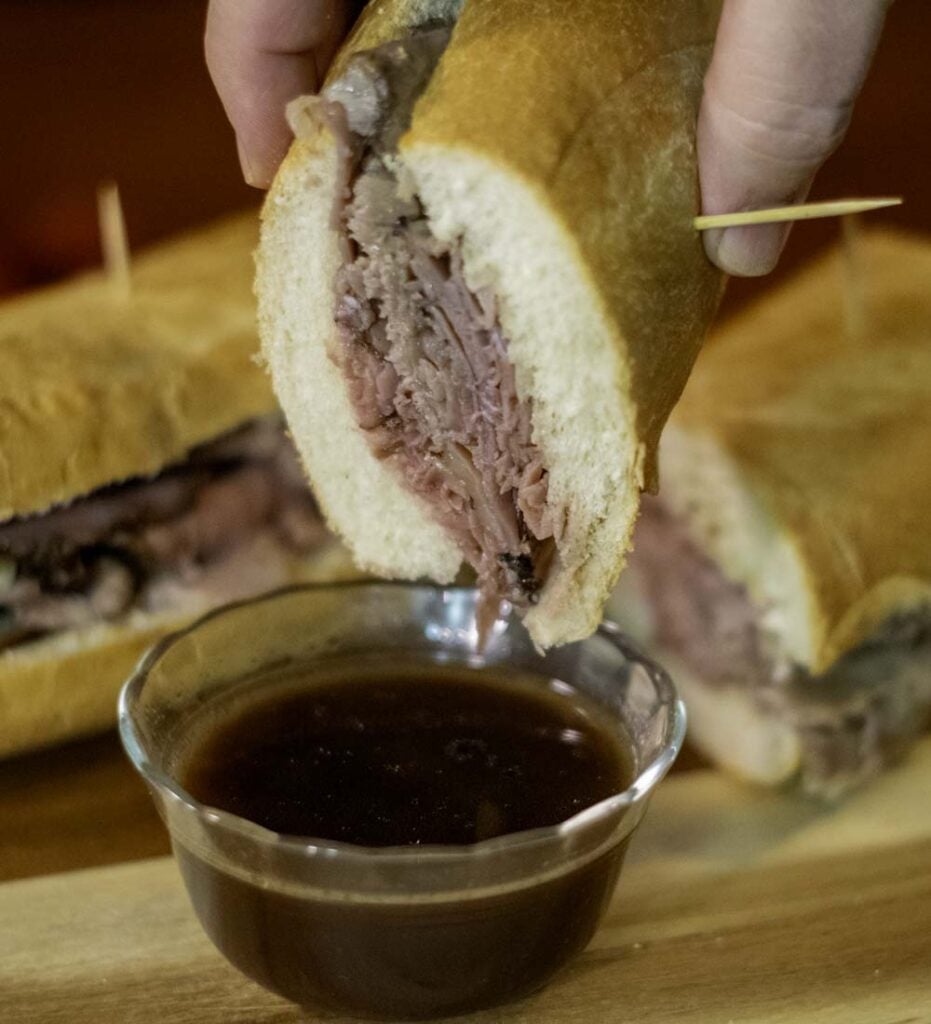
When a roast is being used for Sous Vide French Dip Sandwiches, make an Au Jus. The au jus is made using aromatics and a few other ingredients. The au jus sauce has a deep ebony color, is easy to make while you’re cooking, and is perfect for dipping.
The liquid from the bag at the end of the cooking process is deeply flavored and makes a great base for a pan sauce.
To transform the cooking liquid into a pan sauce, start by emptying the liquid from the cooking bag into a saucepan. The liquid should be reduced over medium to medium-low heat with a nice red wine and some aromatics until it reaches the desired consistency. Finish it with some butter for a velvety texture.
Helpful Info
Here are a few of the most frequently asked questions about sous vide beef roasts.
The best cut of beef to cook sous vide for a classic roast beef is eye of round. If you’re splurging and looking for something special, go with tenderloin.
We recommend cooking beef roasts sous vide for 24 hours to get the right balance between flavor and texture.
When something is overcooked using sous vide the long cooking time will break it down giving it a mushy texture. This is different from overcooking in an oven, which dries out the item being cooked and makes it taste like jerky.
Yes, you can. A few things to keep in mind are that the roast needs to be in plastic that works for sous vide, so beware of items that you didn’t package yourself, and depending on the cut, it may need to cook longer to get it to turn out the same as one that’s been defrosted.
If you have other questions, leave them in the comments below, and we’ll try and answer them.
So Many Delicious Serving Options
There are so many different ways to serve beef cooked sous vide. One of the most popular ways is to slice it thin and use it for French dip or Italian beef sandwiches.
We’ll often make a roast and slice it for lunch or as a snack throughout the week. For traditional open-faced beef sandwiches make a nice gravy.
It also works equally well as the centerpiece of an elegant dinner. A few side dishes that pair well with this recipe are Rosemary and Garlic Roasted Fingerling Potatoes, Roasted Carrots with Rosemary and Fennel, and Sautéed Green Beans with Balsamic Vinegar.
Toss in a Classic Old Fashioned or a couple of Perfect Manhattans, and you’ve got a thoroughly modern take on a classic 1950s Sunday dinner.

Mark is an experienced food writer, recipe developer, and photographer who is also Umami’s publisher and CEO. A passionate cook who loves to cook for friends, he can often be found in the kitchen or by the grill testing new recipes.
More Info About Mark Hinds
Learn More
Find more recipes, tips, and ideas about these techniques, ingredients, and cuisines.
Techniques:
Ingredients:
Cuisines:


Leave a Reply